
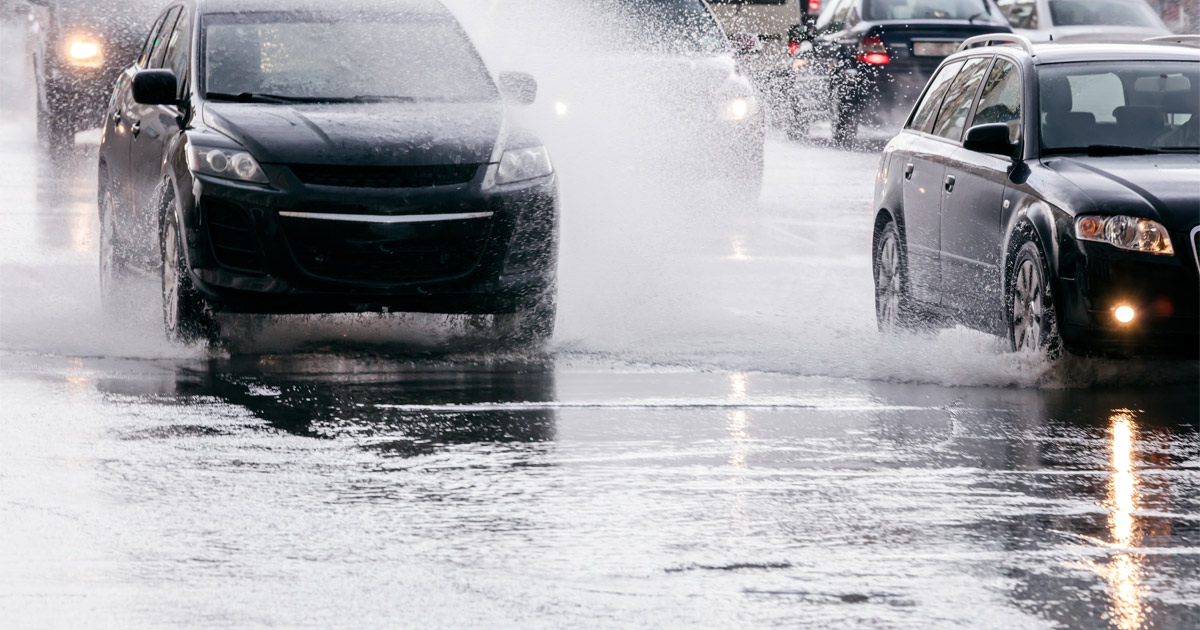



Heavy rainstorms can quickly turn Michigan roads into dangerous driving environments. From spring storms and summer downpours to fall weather systems, flooding on roads is a common hazard across the state. Whether you’re commuting through the city or traveling along rural roads, understanding how to safely navigate flooded areas is critical.
Flooded roads can cause vehicle damage, accidents, and even life‑threatening situations. Many flood‑related vehicle incidents occur because drivers underestimate the depth or strength of moving water. By following safe driving practices and understanding the risks, Michigan drivers can better protect themselves, their passengers, and their vehicles.
Why Flooded Roads Are Especially Dangerous
- Floodwater may appear shallow and harmless, but it can quickly become hazardous. Even a small amount of standing water can affect vehicle control and visibility.
- Hidden Road Hazards: Floodwater often hides debris, potholes, and damaged pavement. Drivers may unknowingly encounter hazards that can cause tire damage, suspension problems, or sudden loss of control.
- Hydroplaning Risk: When water accumulates on the road surface, tires can lose contact with the pavement. This condition, known as hydroplaning, significantly reduces steering and braking ability.
- Vehicle Stalling and Engine Damage: Water entering a vehicle’s engine or exhaust system can stall the vehicle and cause severe mechanical damage. Repairs for water‑damaged engines can cost thousands of dollars.
- Strong Moving Water: Even shallow moving water can be dangerous. As little as 12 inches of moving water can carry away a small car.
Michigan Flood‑Prone Areas to Watch
Drivers in Michigan should be particularly cautious in areas known for frequent flooding:
- Low‑lying roads near rivers, lakes, and streams
- Urban streets with poor drainage systems
- Underpasses and highway dips
- Rural roads surrounded by farmland or wetlands
Communities throughout West Michigan and other parts of the state occasionally experience rapid rainfall that overwhelms drainage systems, leading to temporary road flooding.
Best Practices for Driving on Flooded Roads
- Turn Around, Don’t Drown
If you encounter a flooded roadway, the safest decision is often to turn around and find an alternate route. Water depth is difficult to judge, especially at night or during heavy rain. - Slow Down in Heavy Rain
Reduced speeds help maintain tire traction and reduce the likelihood of hydroplaning. Increase your following distance and brake gently. - Avoid Driving Through Standing Water
Even shallow water can damage a vehicle’s electrical system, brakes, or engine. If water reaches the bottom of your car door, it may already be too deep. - Watch for Road Closure Signs
Barricades and warning signs are placed for safety. Driving around them puts you and emergency responders at risk. - Drive in the Center of the Road (If Safe)
Water tends to collect along road edges. If safe and legal, driving closer to the center lane can reduce exposure to deeper water. - Test Your Brakes After Driving Through Water
If you must pass through shallow water, lightly tap your brakes afterward to help dry them and restore normal braking performance.
What to Do If Your Car Stalls in Floodwater
If your vehicle stalls while driving through water:
- Do not restart the engine – this can cause severe engine damage.
- Exit the vehicle if it is safe to do so, especially if water levels are rising.
- Move to higher ground immediately.
- Call roadside assistance or emergency services.
Floodwaters can rise quickly, so prioritizing safety is essential.
How Flooding Can Affect Your Insurance
Flood‑related vehicle damage may or may not be covered depending on your auto insurance policy.
In many cases:
- Comprehensive coverage may cover flood‑related damage to your vehicle.
- Liability‑only policies typically do not cover damage to your own vehicle.
Because flooding risks vary across Michigan, reviewing your coverage regularly can help ensure your vehicle is properly protected.
Stay Prepared During Michigan Storm Season
Michigan drivers frequently face unpredictable weather conditions. Taking a few simple precautions can help reduce the risk of accidents and costly vehicle damage:
- Monitor weather forecasts during heavy rain events
- Plan alternate routes during severe storms
- Maintain proper tire tread and vehicle maintenance
- Review your auto insurance coverage annually
Staying informed and practicing safe driving habits can make a significant difference when roads become flooded.
Protect Yourself and Your Vehicle
Flooded roads can create dangerous situations in a matter of minutes. The safest strategy is always caution—never assume it’s safe to drive through standing water. If you have questions about your auto insurance coverage or want to review your policy to ensure you’re protected from unexpected weather events, contact Avanti Insurance Solutions for a personalized coverage review.